The Complete Guide to Internet Radio Hosting: Start Your Own Station Today
The landscape of internet radio offers remarkable prospects for budding broadcasters. This guide explores the vital components of launching a successful station. From picking the ideal software to interacting with an audience, every element is important. Understanding these elements can make the difference between a fleeting hobby and a thriving platform. As the industry advances, what steps can one take to make their station stand apart? The answers lie within.
Exploring Internet Radio: A Comprehensive Overview and Its Advantages
Internet radio has transformed the world of audio broadcasting by creating a platform for varied voices and content. In contrast to traditional radio, which frequently faces geographic limitations and regulatory frameworks, internet radio gives anyone with a connection the ability to share their ideas, music, and stories across the globe. This ease of access cultivates a dynamic community of creators and listeners, giving rise to a diverse array of niche genres and formats.
The perks of internet radio reach further than diversity. It delivers adaptability in programming, empowering hosts to shape content suited to targeted audiences. Moreover, the lack of expensive licensing fees linked to conventional broadcasting can render it a more practical choice for emerging broadcasters. Internet radio additionally promotes interactivity, enabling listeners to interact with hosts live. At its core, this medium not only broadens access to broadcasting but also elevates the audio landscape, making it an attractive choice for creators and audiences alike.
Selecting Software for Your Internet Radio Station
Choosing the ideal software can significantly influence the effectiveness of an web-based radio station. Numerous options are available, each tailored to different needs and budgets. Station operators must assess easy-to-use interfaces that enable smooth operation and management. Software that offers live streaming, automated playlists, and scheduling can elevate listener engagement and maintain a regular broadcast schedule.
In addition, integration with a range of audio formats and streaming protocols is key to attracting a larger audience. Some platforms offer built-in analytics tools, providing valuable insights into listener demographics and preferences, which can inform programming decisions.
Cost is also an important factor; a number of software programs are available for free, while others demand a recurring fee. In the end, selecting the most suitable software involves balancing functionality, usability, and financial limitations, allowing the station to function at its best while providing high-quality programming to its listeners.
Picking the Ideal Equipment for Internet Radio
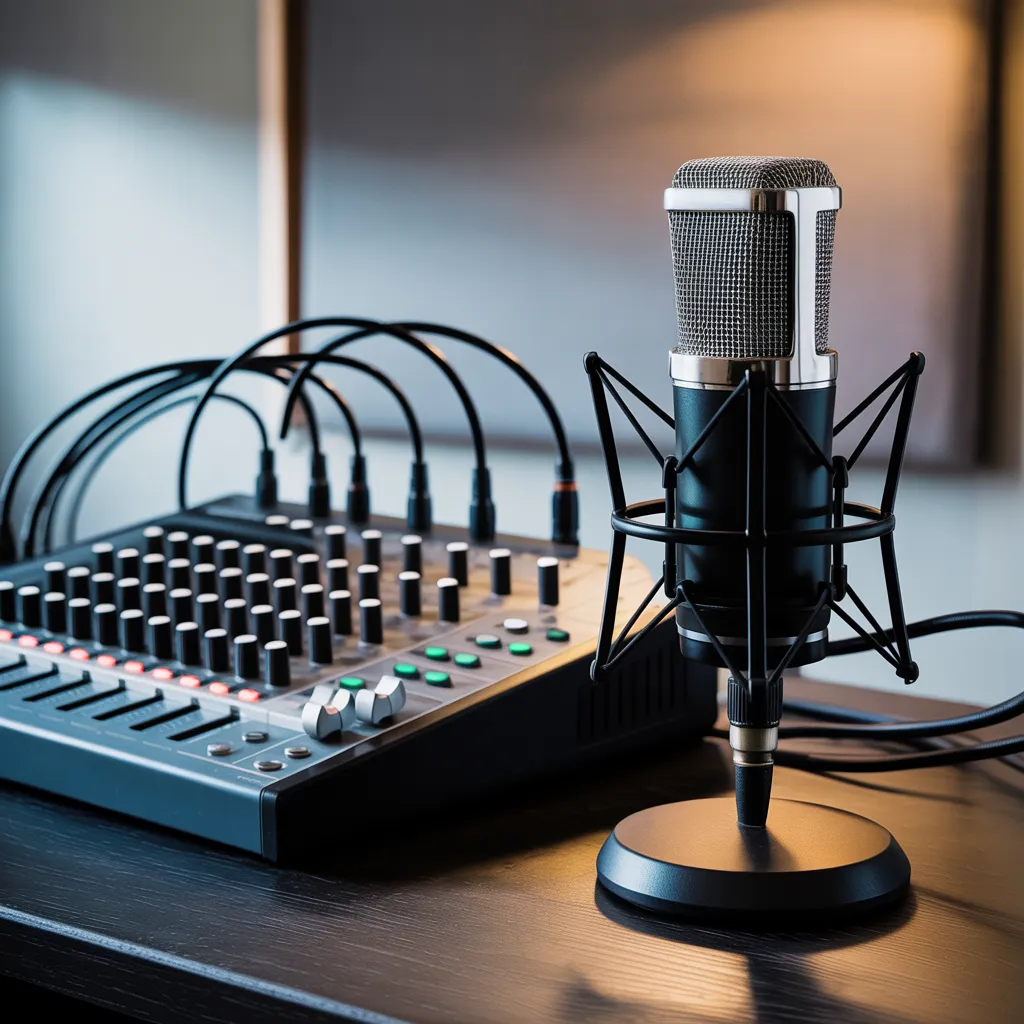
Selecting the correct gear is crucial for establishing a high-quality internet radio station. Key components include a reliable microphone, audio interface, and headphones. A quality microphone, such as a condenser mic, picks up sound accurately, while an audio interface transforms analog signals to digital. This guarantees superior sound quality for streaming.
Headsets are essential for sound monitoring to prevent feedback. Closed-back designs are recommended to avoid audio bleed during live broadcasts. Additionally, a sturdy broadcast mixer can help manage various audio sources seamlessly.
Acquiring a dependable system with adequate processing power and RAM is equally important, as it supports broadcast applications and audio production tasks.
In addition, integrating a noise reduction setup for the broadcast space can greatly enhance audio performance. By carefully selecting each piece of equipment, station operators can create a professional and captivating listening experience, setting the foundation for a thriving internet radio station.
Developing Captivating Content: Selecting Between Storytelling, Music, or Talk
What factors make content genuinely engaging for audiences? The decision between music, discussion, or storytelling notably shapes listener involvement. Music has the ability to stir emotions and foster a collective experience, attracting audiences through carefully selected playlists or live performances. Conversational programs, by contrast, build relationships through conversations about current events, interviews, and personal stories, resonating with listeners who seek knowledge and belonging.
Storytelling engages by crafting stories that reflect human journeys, making listeners feel invested in the unfolding plot. Each format requires a unique approach; music requires deliberate choices and natural rhythm, conversation requires compelling discussion and varied viewpoints, whereas storytelling flourishes through rich imagery and authentic characters.
Ultimately, the choice copyrights on the target audience's preferences and the broadcaster's character. Achieving the right balance between these factors can establish a dynamic sonic environment that draws audiences back time after time, elevating the station's overall appeal.
How to Spread the Word and Expand Your Audience
Robust audience expansion tactics are critical for any internet radio station aiming to expand its reach. One fundamental approach is leveraging social media platforms to create buzz and attract listeners. Through posting compelling material, including show previews or exclusive behind-the-scenes footage, stations can spark curiosity and motivate sharing among prospective listeners.
Additionally, working with digital influencers or fellow content creators can expose the station to new audience segments. Collaborative promotions, where all parties involved benefit, can significantly boost overall visibility.
Email marketing serves as another powerful resource; consistent newsletters can keep listeners updated on upcoming shows or special events. Participating in online forums and communities related to the station's niche can also help build a loyal listener base.
Lastly ensuring the station is listed on leading directories and platforms boosts findability, allowing new audiences to find it easily. Combined these tactics drive successful listener expansion for every online radio station.
Engaging Listeners: Interaction Tips
What methods can internet radio stations use to build a genuine bond with their audience? Engaging listeners requires a multifaceted approach that fosters interaction. Broadcasters can take advantage of social media networks to stimulate instant responses, enabling listeners to voice their preferences and requests. Incorporating live call-ins or messages during broadcasts creates an interactive atmosphere, making listeners feel valued.
Moreover, running contests or giveaways can view resource motivate audience involvement, while consistent polls or surveys assist in customizing content to listener preferences. Individualized shout-outs can additionally improve the listener experience, ensuring listeners feel noticed and respected.
Additionally, designing topic-focused segments or broadcasts built around listener interests can further deepen community engagement. Through regularly addressing listener feedback and demonstrating responsiveness, stations can build audience loyalty and trust. In the end, the fundamental principle lies in championing listener interaction, transforming passive listeners into a dynamic community that resonates with the station's purpose.

Common Questions and Answers
What Are the Legal Obligations for Launching an Internet Radio Station?
To establish a web-based radio station, one needs to gather necessary licenses, such as performance rights licenses and transmission permissions. Adhering to copyright rules and regulations is vital to steer clear of legal problems and guarantee efficient operation.
How Do I Successfully Monetize My Online Radio Station?
To profitably run an internet radio station, operators can pursue subscription models, sponsorships, merchandise sales, advertising, listener donations, and affiliate marketing. Diversifying revenue streams enhances financial stability and can attract a broader audience.
What Are the Key Practices for Keeping Audio Quality Intact?
To copyright audio quality, it is important to employ superior equipment, consistently monitor audio levels, establish proper encoding settings, limit ambient noise, and carry out consistent testing. Consistency in these practices substantially elevates the complete listening experience.
Can Copyrighted Music Be Used on My Station?
Playing copyrighted music on a station necessitates approval from the copyright owner or a licensing agreement. Failure to do so may result in legal repercussions, including fines or the station being shut down.
How Regularly Should I Refresh My Content Schedule?
It is advisable to revise content schedules each week to sustain listener engagement and stay relevant. Regular updates allow for original and timely content, adapting to audience preferences, and keeping the station lively and appealing over time.